
Painting Lucas van Uffel died in 1637 - Antoine van Dyck


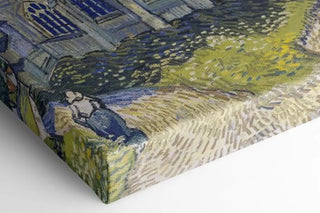
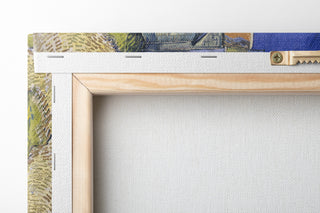
Rear View
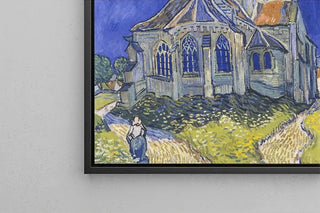
FRAME (OPTIONAL)
Lucas van Uffel Art print by Antoine van Dyck – Engaging Introduction
The artwork "Lucas van Uffel died in 1637" by Antoine van Dyck is much more than a simple depiction of a historical figure; it is a vibrant testament to Baroque art, an era where light and shadow danced across the canvas to evoke palpable emotions. This painting, created by one of the masters of portraiture, not only captures the personality of the subject but also reflects the political and social atmosphere of his time. Gazing upon this piece, the viewer is transported into a world where art and life intertwine, where each brushstroke tells a unique story. The psychological depth of the subject, enhanced by van Dyck's technical mastery, invites reflection on mortality and legacy.
Style and uniqueness of the work
Van Dyck's style is distinguished by its elegance and ability to capture the very essence of his models. In "Lucas van Uffel died in 1637," the artist employs a rich palette and striking contrasts to bring his subject to life. The way light illuminates Lucas van Uffel's face, while leaving mysterious shadowed areas, reveals a profound understanding of human emotions. The sumptuous drapery, typical of Baroque style, adds a tactile dimension to the painting, while the subject's posture suggests both dignity and vulnerability. Every detail, from color choices to composition, is carefully considered to evoke an atmosphere of gravity and respect, transforming the work into a true homage to the memory of the man depicted.
The artist and his influence
Antoine van Dyck, a pupil of Rubens, established himself as one of the most influential portraitists of his time. His style, marked by great finesse and particular sensitivity, profoundly impacted art history. By focusing on the psychology of his subjects, van Dyck pioneered a new way of conceiving portraiture, where individuality and personality take precedence over mere physical representation. His influence extends far beyond his era, inspiring generations of artists who sought to capture not only the
Painting Lucas van Uffel died in 1637 - Antoine van Dyck

ABOUT OUR PAINTINGS :
Canvas, matte finish print, mounted on a wooden structure, ready to hang. Framing options available on certain sizes.
Automatically benefit from increasing discounts based on your order amount
FROM €95 / $95 → –10%
FROM €195 / $195 → –15 %
Regular price
- Unit price
- per
Free shipping
From €49 in purchases ($49 for the USA and Canada)
Satisfied or Money Back
Free returns within 30 days
10-year warranty
Our prints are guaranteed for 10 years
THE STEPS OF YOUR ORDER

STEP 1 - ORDER PLACED
Your order has been confirmed and we are starting production
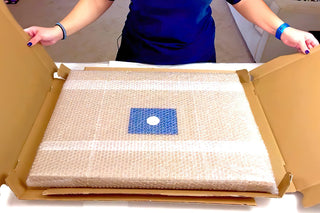
STEP 2 - SHIPPING
We ship your order. We will send you an email to track the progress.

STEP 3 - DELIVERY
You receive your order. You can also, according to your choice, be delivered to a relay point.
Matte finish reproduction
Rear View
FRAME (OPTIONAL)
Lucas van Uffel Art print by Antoine van Dyck – Engaging Introduction
The artwork "Lucas van Uffel died in 1637" by Antoine van Dyck is much more than a simple depiction of a historical figure; it is a vibrant testament to Baroque art, an era where light and shadow danced across the canvas to evoke palpable emotions. This painting, created by one of the masters of portraiture, not only captures the personality of the subject but also reflects the political and social atmosphere of his time. Gazing upon this piece, the viewer is transported into a world where art and life intertwine, where each brushstroke tells a unique story. The psychological depth of the subject, enhanced by van Dyck's technical mastery, invites reflection on mortality and legacy.
Style and uniqueness of the work
Van Dyck's style is distinguished by its elegance and ability to capture the very essence of his models. In "Lucas van Uffel died in 1637," the artist employs a rich palette and striking contrasts to bring his subject to life. The way light illuminates Lucas van Uffel's face, while leaving mysterious shadowed areas, reveals a profound understanding of human emotions. The sumptuous drapery, typical of Baroque style, adds a tactile dimension to the painting, while the subject's posture suggests both dignity and vulnerability. Every detail, from color choices to composition, is carefully considered to evoke an atmosphere of gravity and respect, transforming the work into a true homage to the memory of the man depicted.
The artist and his influence
Antoine van Dyck, a pupil of Rubens, established himself as one of the most influential portraitists of his time. His style, marked by great finesse and particular sensitivity, profoundly impacted art history. By focusing on the psychology of his subjects, van Dyck pioneered a new way of conceiving portraiture, where individuality and personality take precedence over mere physical representation. His influence extends far beyond his era, inspiring generations of artists who sought to capture not only the
ANY QUESTIONS?
We are here! Send us an email at contact@artemlegrand.com
(Monday to Saturday 8:30 AM to 7:30 PM)