
Art print Study of Two Hours on the Head of Blanche Stillson - Charles Webster Hawthorne


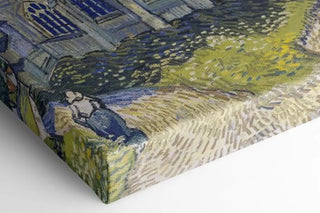
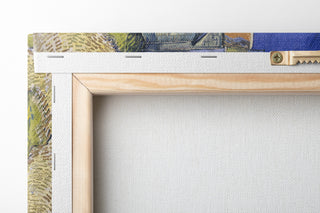
Rear View
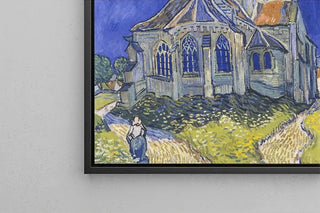
FRAME (OPTIONAL)
Reproduction of "Étude de deux heures sur la tête de Blanche Stillson" by Charles Webster Hawthorne is a captivating testament to the power of art to capture human essence in a single instant. This artwork, created in a style that combines realism and impressionism, evokes an emotional depth that leaves a lasting impression. Immersing ourselves in this portrait, we are invited to explore not only the features of Blanche Stillson but also the nuances of the human soul that the artist reveals with such finesse. This masterpiece is part of an artistic tradition that values attentive observation and personal interpretation, making each viewing a unique experience.
Style and uniqueness of the artwork
The piece stands out for its delicate technique and subtle use of light and shadow. Hawthorne, a master of color, manages to bring his subject to life through brushstrokes that seem to vibrate. The way he models Blanche Stillson's face, playing with contrasts and reflections, creates an intimate and almost tangible atmosphere. Every detail, from the expressive gaze to the nuances of the skin, is carefully crafted to convey a deep emotion. This painting, far from being a simple portrait, becomes an exploration of the personality of its model—a dialogue between the artist and his subject. The work invites viewers to question the nature of beauty and how art can transcend time to capture moments of authenticity.
The artist and his influence
Charles Webster Hawthorne, an iconic figure of the early 20th century, left a significant mark on his era with his innovative artistic vision. A student at the École des Beaux-Arts in Paris, he was influenced by impressionist currents that challenged traditional painting conventions. His work, while rooted in a realistic tradition, draws inspiration from these new ideas, aiming to depict life as it is, with all its imperfections and beauties. Hawthorne also played a crucial role in art education, founding a school that trained many artists. His pedagogical approach, focused on
Art print Study of Two Hours on the Head of Blanche Stillson - Charles Webster Hawthorne

ABOUT OUR PAINTINGS :
Canvas, matte finish print, mounted on a wooden structure, ready to hang. Framing options available on certain sizes.
Automatically benefit from increasing discounts based on your order amount
FROM €95 / $95 → –10%
FROM €195 / $195 → –15 %
Regular price
- Unit price
- per
Free shipping
From €49 in purchases ($49 for the USA and Canada)
Satisfied or Money Back
Free returns within 30 days
10-year warranty
Our prints are guaranteed for 10 years
THE STEPS OF YOUR ORDER

STEP 1 - ORDER PLACED
Your order has been confirmed and we are starting production
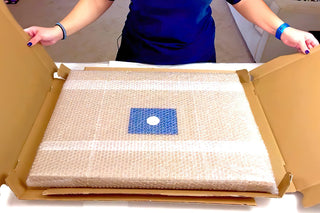
STEP 2 - SHIPPING
We ship your order. We will send you an email to track the progress.

STEP 3 - DELIVERY
You receive your order. You can also, according to your choice, be delivered to a relay point.
Matte finish reproduction
Rear View
FRAME (OPTIONAL)
Reproduction of "Étude de deux heures sur la tête de Blanche Stillson" by Charles Webster Hawthorne is a captivating testament to the power of art to capture human essence in a single instant. This artwork, created in a style that combines realism and impressionism, evokes an emotional depth that leaves a lasting impression. Immersing ourselves in this portrait, we are invited to explore not only the features of Blanche Stillson but also the nuances of the human soul that the artist reveals with such finesse. This masterpiece is part of an artistic tradition that values attentive observation and personal interpretation, making each viewing a unique experience.
Style and uniqueness of the artwork
The piece stands out for its delicate technique and subtle use of light and shadow. Hawthorne, a master of color, manages to bring his subject to life through brushstrokes that seem to vibrate. The way he models Blanche Stillson's face, playing with contrasts and reflections, creates an intimate and almost tangible atmosphere. Every detail, from the expressive gaze to the nuances of the skin, is carefully crafted to convey a deep emotion. This painting, far from being a simple portrait, becomes an exploration of the personality of its model—a dialogue between the artist and his subject. The work invites viewers to question the nature of beauty and how art can transcend time to capture moments of authenticity.
The artist and his influence
Charles Webster Hawthorne, an iconic figure of the early 20th century, left a significant mark on his era with his innovative artistic vision. A student at the École des Beaux-Arts in Paris, he was influenced by impressionist currents that challenged traditional painting conventions. His work, while rooted in a realistic tradition, draws inspiration from these new ideas, aiming to depict life as it is, with all its imperfections and beauties. Hawthorne also played a crucial role in art education, founding a school that trained many artists. His pedagogical approach, focused on
ANY QUESTIONS?
We are here! Send us an email at contact@artemlegrand.com
(Monday to Saturday 8:30 AM to 7:30 PM)